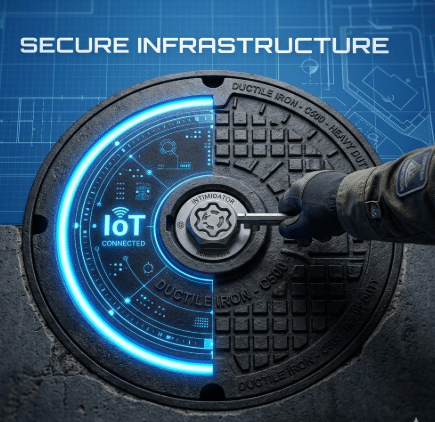
The global procurement landscape for manhole covers has undergone a fundamental shift, driven by the increasing necessity to protect subterranean utility networks from unauthorized access and the rising costs of metal theft. In many regions, the theft of cast-iron lids has become a systemic urban liability; for example, the city of Cape Town recently reported spending approximately USD 105,000 in just five months to replace over 2,200 stolen units. This economic burden is compounded by the safety risks posed to the public, as hidden open pits on waterlogged streets can become fatal traps within seconds. Consequently, infrastructure managers are no longer viewing manhole covers as static iron plates but as dynamic security assets. Implementing robust Anti-Theft Locking Systems is now a prerequisite for any international tender, providing a critical layer of defense that mitigates municipal liability and ensures the continuity of vital services like telecommunications, power, and water management.
The Mechanics of Deterrence: Bolt-Down and Cam-Lock Engineering
At the forefront of physical security are mechanical locking systems designed to resist forced removal through high-torque fasteners and specialized patterns. The most traditional yet effective method involves “Bolt-Down” designs, where the manhole cover is secured to its frame using high-strength stainless steel bolts. Advanced iterations of this system utilize counter-bored holes, ensuring the bolt heads are recessed and flush with the surface, making them nearly impossible to grip with standard wrenches or hammers. Leading manufacturers, such as those producing the “Intimidator ManLocks,” have introduced patterned bolt heads that require a unique, matching tool for access. This “key-and-lock” philosophy ensures that only authorized maintenance personnel can open the chamber, effectively neutralizing the threat of opportunistic theft and ensuring that critical underground assets—ranging from fiber optic cables to high-pressure valves—remain undisturbed.
For high-traffic carriageways where vibration can loosen standard fasteners, “Cam-Lock” mechanisms offer a superior alternative. These systems utilize a ductile iron cam attached to a specialized bolt that rotates into a secure notch within the frame, creating a mechanical bond that is resistant to both manual tampering and the repetitive dynamic loads of heavy vehicular traffic. The cam-lock system provides a “positive click” confirmation of closure and eliminates the risk of missing or loose fasteners that often contribute to cover displacement. By integrating these systems into EN 124 Class D400 or E600 assemblies, municipal engineers can achieve a “non-rock” performance while simultaneously securing the lid. The use of Grade 304 or 316 stainless steel for the locking components further ensures that the system will not seize due to corrosion, maintaining easy access for utility workers even after decades of exposure to harsh sewer gases.
| Locking Mechanism | Technical Mechanism | Security Level | Best Application |
| Tamper-Proof Bolts | Recessed, patterned heads requiring custom tools | High | High-value utility pits, airports |
| Ductile Iron Cam-Locks | Internal cam mechanism rotates into frame notches | Very High | Carriageways, highways |
| Hinged & Bolted | Permanent hinge attachment with secondary bolt lock | Moderate/High | Municipal sewers, sidewalks |
| Spring-Bar Locks | Flexible elastic bar providing quick retention | Moderate | Low-risk urban residential zones |
| Magnetic Locks | Unique magnetic key required to release internal pins | Maximum | Restricted areas, power plants |
The “Zero-Value” Solution: Transitioning to Composite Materials
Beyond mechanical locks, the most effective theft deterrence strategy is the removal of the financial incentive entirely through material innovation. Traditional cast iron is sought after by thieves specifically for its high resale value in the scrap metal market. In contrast, composite manhole covers—manufactured from Fiberglass Reinforced Plastic (FRP) or Glass-Reinforced Polymer (GRP)—have zero scrap value, making them “theft-proof” by nature. These materials use a complex matrix of thermosetting resins and fiberglass reinforcements that cannot be melted down for profit, effectively solving the vandalism problem at its source. In 2026, as scrap prices continue to fluctuate, many municipalities in Africa, Latin America, and Southeast Asia are standardizing on composite solutions for their residential and telecommunications projects to eliminate the cycle of theft and replacement.
The adoption of composite materials offers secondary benefits that extend beyond security to workplace ergonomics and infrastructure longevity. Composite lids are up to 70% lighter than their iron counterparts, allowing a single maintenance worker to lift and move the cover safely using ergonomic tools, thereby reducing the risk of spinal injuries and workplace compensation claims. Furthermore, these materials are naturally non-conductive and RF-transparent, making them the preferred choice for 5G smart grid deployments and electrical pits where metal covers might interfere with wireless signals or create “stray voltage” hazards. While ductile iron remains the benchmark for extreme F900 airport loads, high-strength composite covers are now certified for Class D400 road traffic, providing a corrosion-resistant, lightweight, and inherently secure alternative for modern urban environments.
Smart Monitoring: IoT Integration for Real-Time Security
The final frontier in Anti-Theft Locking Systems is the integration of the Internet of Things (IoT) to provide real-time situational awareness. Traditional manhole covers are passive components; modern “Smart Manhole Covers” are active network endpoints equipped with NB-IoT or 5G sensors. These sensors, such as the MCM800 or HK35, are mounted to the underside of the lid and can detect unauthorized lifting, tilting, or even micro-vibrations that indicate a loosening fit. If a cover is moved without an authorized maintenance ticket, the system immediately transmits an alarm via NB-IoT or GPRS networks to a centralized municipal control center. This proactive approach has reduced emergency response times from hours to as little as 15 minutes, allowing authorities to secure an open pit or intercept a theft in progress before it results in a traffic accident.
Technological monitoring is particularly vital for the protection of hazardous utility shafts where gas leaks or floods can pose immediate public health risks. IoT-enabled covers can monitor subsurface environmental conditions, such as the density of toxic gases or rising water levels during storm surges. In cities like Dubai and Amsterdam, these smart systems are integrated into the broader urban management platform, providing maintenance teams with “Predictive Maintenance” data. By identifying a manhole cover that is vibrating excessively or showing signs of mechanical fatigue, authorities can replace the unit before it fails structurally. This fusion of traditional mechanical locking with digital intelligence creates a “hardened” infrastructure that is not only secure against theft but also resilient against the evolving challenges of urban expansion and climate change.
Strategic Installation: Anchoring and Bedding for Stability
Even the most advanced anti-theft locking system will fail if the manhole frame itself is not securely anchored to the concrete chamber. Thieves in some regions have been known to pry the entire frame-and-cover assembly out of the ground if the bedding is weak. Professional installation standards mandate that the frame must be positioned on a high-performance cement mortar with a characteristic compressive strength ($Rck$) of at least $50 N/mm^2$. This bedding mortar must entirely encapsulate the frame flange to a minimum depth of 20mm above the metal, creating a robust mechanical bond that resists prying forces. For high-risk or heavy-traffic areas, engineers recommend anchoring the frame directly to the concrete slab using stainless steel fastener plugs positioned in specific circular slots provided in the frame, ensuring that the assembly becomes an immovable part of the road structure.
Maintenance schedules represent the secondary pillar of security, ensuring that locking mechanisms remain functional throughout their multi-decade service life. A 6- to 12-month inspection cycle is recommended, during which quality teams should clear debris from the frame’s seating surface and lubricate hinges to prevent seizure. In coastal or chemically aggressive environments, regular checks for coating integrity—such as bitumen or high-performance epoxy—are essential to prevent the “corrosion fatigue” that can weaken the interface between the lock and the frame. By combining rigorous installation protocols with a proactive maintenance plan, municipalities can ensure that their investment in anti-theft technology continues to deliver value, providing a silent, stable, and secure gateway to the city’s underground lifelines.
Conclusion: Securing the Urban Foundation
In conclusion, the fight against manhole cover theft has been revolutionized by a multi-layered engineering approach that combines physical strength, material science, and digital intelligence. The shift from simple commodity procurement to the implementation of comprehensive Anti-Theft Locking Systems is a testament to the sophistication of modern civil engineering. Whether through the metallurgical nodularity of security-bolted ductile iron or the “zero-value” deterrence of composite materials, the tools are now available to eliminate the risks of vandalism and accidental displacement. As we look toward the future of global infrastructure, the role of high-performance access solutions will only grow in importance, forming the backbone of safer and more resilient urban environments.
For municipal authorities and international contractors, the choice is clear: investing in certified, professionally engineered locking systems is not just a security measure, but a foundational investment in public safety. By prioritizing manufacturers who provide transparent certification (EN 124, AASHTO M306), IoT-ready designs, and precision-machined tolerances, procurement specialists can ensure that their infrastructure remains secure against both environmental decay and financial risk. Ultimately, a well-secured manhole cover is more than a utility lid; it is a symbol of a city’s commitment to its residents, transforming a mundane maintenance point into a vital component of a quiet, harmonious, and secure smart city.
Frequently Asked Questions (FAQ)
1. What are the most effective anti-theft locking systems for heavy-traffic roads?
For carriageways and highways, the most effective systems are ductile iron Cam-Locks or high-security patterned bolts (like Intimidator ManLocks). These mechanisms are designed to resist prying and vibrations while maintaining the structural integrity required by EN 124 Class D400 or AASHTO M306 standards.
2. Why is switching to composite (FRP/GRP) manhole covers considered a “theft-proof” solution?
Composite materials have zero resale value in the scrap metal market because they cannot be melted down like iron. This removes the financial incentive for thieves, solving the problem of vandalism at its source while providing lightweight and non-corrosive benefits.
3. Can IoT sensors really prevent manhole theft?
Yes. IoT sensors detect unauthorized lifting or movement in real-time and transmit immediate alerts via NB-IoT or 5G networks to municipal platforms. This allows for a rapid emergency response (often within 15 minutes), which can lead to the apprehension of thieves and the securing of hazardous open pits.
4. Are manhole locks difficult for authorized maintenance teams to operate?
No. Modern anti-theft systems are designed with “quick-release” or ergonomic mechanisms that prioritize authorized access. While specialized tools are required to prevent tampering, authorized crews can open secured covers quickly during emergencies, such as gas leaks or electrical faults.
5. How does improper installation affect the security of a manhole cover?
If a frame is not anchored to a high-strength bedding mortar (at least 50 N/mm2), thieves may be able to pry the entire assembly out of the ground. Proper encapsulation of the frame flange and the use of stainless steel anchor bolts are essential for ensuring the locking system remains effective.